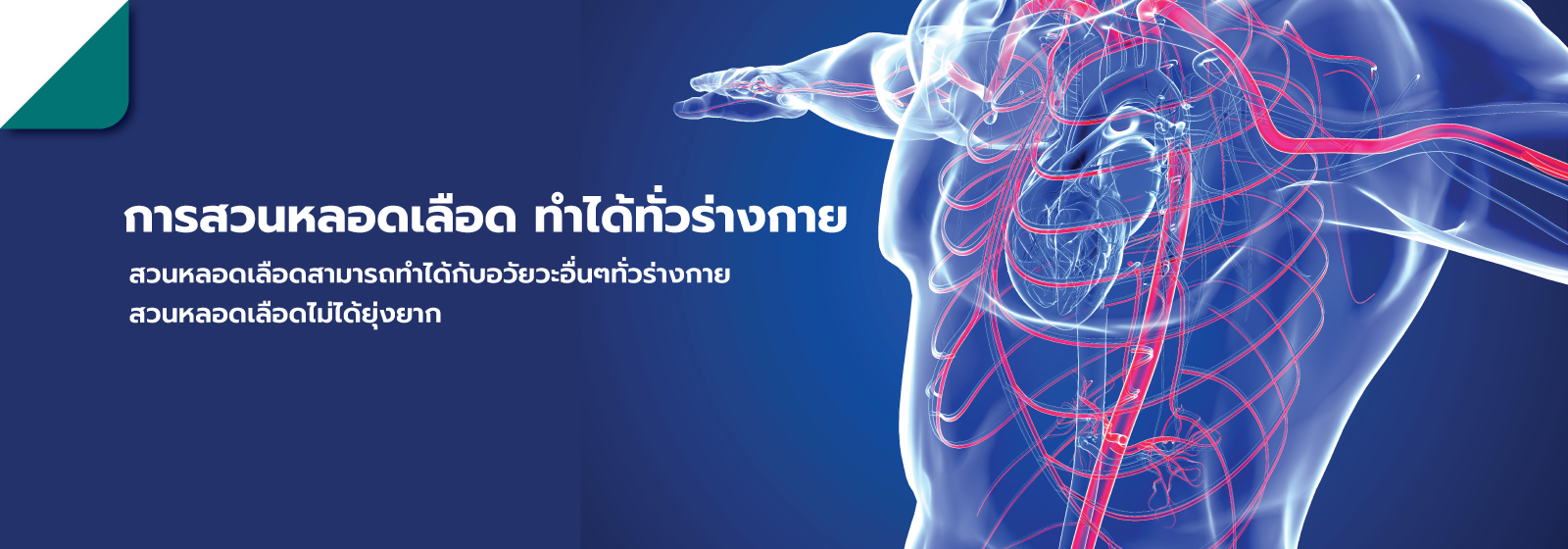
Catheterization can be performed throughout the body. 

Catheter-based vascular procedures can be done throughout the body.
Coronary angiography/cardiac catheterization is the insertion of a small tube (about 2–3 millimeters in diameter) through an artery in the groin or wrist, advancing it along the aorta to the coronary arteries. This method is mainly used to diagnose and treat coronary artery disease (coronary artery narrowing). However, it does not mean catheterization can only be done in the heart. This technique can be performed on blood vessels throughout the body—catheterizing vessels in the arms, legs, brain, or kidneys as well. It can be used to treat various conditions such as coronary artery stenosis, renal artery stenosis, cerebral artery stenosis, and abdominal aortic aneurysm. Heart valves can be replaced or repaired without open surgery, and leaks/defects in the heart’s septum can also be corrected.
Blockage of the body’s blood vessels
In addition to the coronary arteries, narrowing or blockage can also be found in other blood vessels in the body. Peripheral arterial occlusive disease is often caused by fat or calcium deposits attaching to the vessel wall, leading to inflammation and scar tissue buildup in that area. Eventually, the vessel lumen becomes narrower and stenotic. This process is called atherosclerosis. When an artery becomes blocked, less blood can flow through, resulting in insufficient blood supply to the tissues downstream. This disease commonly occurs in older patients and in those with risk factors such as smoking, diabetes, high blood pressure, and high blood lipids—for example, peripheral arterial disease (PAD) in the legs. Treatment often involves balloon angioplasty to widen the vessel, similar to coronary artery treatment, and is considered a good treatment option for patients with peripheral arterial occlusive disease.
Many people may worry that the procedure is frightening or complicated, but in reality the steps are not as scary or difficult as many fear. Once the doctor has diagnosed that the patient needs a catheter-based vascular procedure, the patient will prepare as for general surgery: no food or drink for at least 6 hours. Generally, the patient does not need general anesthesia. The doctor then injects local anesthetic at the site where the catheter will be inserted. Next, a needle is used to puncture the artery and a small flexible tube about the size of a pencil lead is placed, followed by a small catheter passed through the artery to the organ that needs treatment.The procedure takes approximately 1–2 hours. The patient will have only a small wound, about 1.6 mm. The wound will close completely within 6–8 hours. The patient stays in the hospital for only 1 day for observation. If there are no complications, the patient can go home.
Therefore, it can be said that this technique helps improve the patient’s quality of life: no pain, a small wound, and a short recovery time, with a success rate of more than 90%.
Request more information
Cardiovascular Center, 4th floor, Building C
Call 038-320300 ext. 4170-1
25 December 2023

Dr. Sarawut Limtangturaakul
Specialty: Cardiology (Internal Medicine), Interventional cardiology and vascular procedures