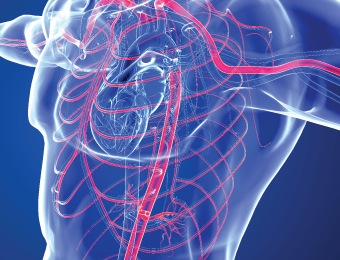
Coronary artery calcium (CT Coronary Artery Calcium Scoring) 

Calcium Where does calcium or limestone come from?
Calcium or limestone in the heartThis may adhere to the walls of blood vessels, to the heart valves, or to the pericardium. What should be watched out for is calcium that adheres to the walls of the blood vessels that supply blood to the heart muscle. This results from degeneration of the arteries and occurs many years before symptoms of heart disease appear. Studies have found that the amount of this calcium can predict the likelihood of ischemic heart disease, in addition to other risk factors such as diabetes, high blood pressure, high blood lipids, or smoking. Calcium deposits in these blood vessels increase the risk of an acute heart attack due to sudden blockage of the blood vessels.
Who should have coronary artery calcium checked?
The American Heart Association has recommended that those who should undergo coronary artery calcium testing are:
- General patients aged over 45 years
- Patients with a moderate risk of developing heart disease
- Diabetes patients, kidney failure patients
According to the recommendations of the American Association of specialist physicians in diabetes treatment, for diabetes patients, elderly patients, and kidney failure patients who cannot undergo a standard treadmill cardiac stress test, coronary artery calcium testing is considered a good standard method for heart evaluation.
What are the benefits of getting checked?
Because the calcium test results help us predict the likelihood of developing and dying from heart disease, and they also provide supporting information for choosing appropriate measures to prevent coronary artery disease in each patient. A high cardiac calcium score means a higher risk, which requires considering starting medication immediately.
Why do we need to identify people who are at risk?
Because preventing this disease can be done easily and by everyone, whether the risk is high or low—for example, quitting smoking, exercising regularly, reducing fatty foods, getting enough rest, not being stressed, and not smoking. Especially for those with high blood pressure and diabetes, this helps them adjust their behavior and take better care of themselves by keeping blood pressure no higher than 140/90 mmHg and LDL cholesterol below 130 mg%.
Coronary artery calcium measurement is a quick test using a high-speed 128-slice CT scanner and does not require contrast injection or cardiac catheterization. The images obtained from this method are very sharp because the scanner captures images at very high speed, allowing good imaging while the heart is beating. It can indicate the amount of calcium deposits accumulated in the walls of the coronary arteries, even in small amounts. Therefore, it is an excellent test for detecting early risk of coronary artery disease in otherwise normal people. This CT scan measures the amount of calcium as a numeric score. In a newborn with normal arteries, the value is zero. As age increases, some calcium may be found, but it should not exceed 200–400. If it is over 400, the risk is very high.
Request more information
Cardiovascular Disease Center
4th Floor, Building C
Tel. 038-320300 ext. 4170-1
25 December 2023