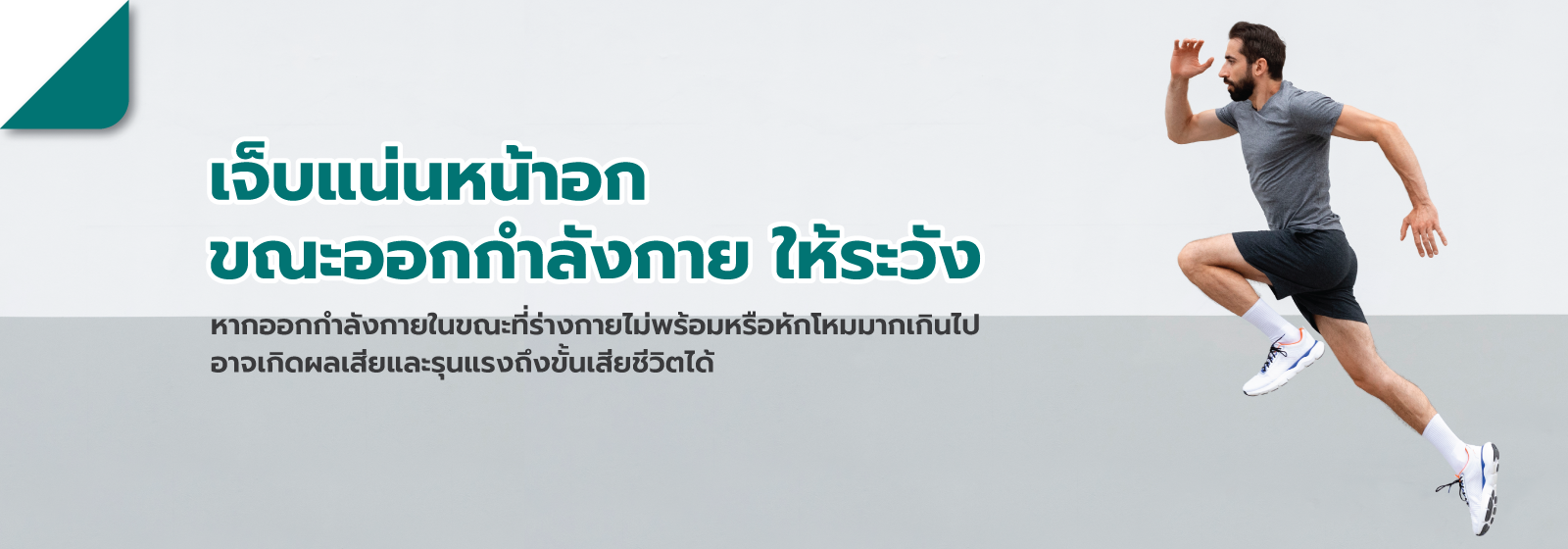
Chest tightness/pain during exercise—be cautious. 

Chest tightness/pain during exercise—be cautious.
Currently, the health-care trend is extremely popular among both young people and the elderly. Besides choosing to eat nutritious food, exercising in various forms also helps keep the body strong and healthy. But on the other hand, if you exercise when your body is not ready or you overexert yourself too much, it may cause harm and can be severe enough to lead to death. As is often reported in the news, for example, world-class athletes suffer heart attacks during competition, or people who exercise regularly suddenly collapse without warning.
The causes of death during exercise from heart disease can be divided into 2 groups.
- Under 35 years old: this group often has congenital heart disease but no symptoms, and it is difficult to detect.
- Over 35 years old: it is often caused by coronary artery disease. Symptoms may already be present but are ignored. Even if there has never been a history of heart disease, the person is healthy and at an age not considered at risk for heart disease, they may still have undetected coronary artery narrowing. When exercising strenuously, this increases the risk of arrhythmia and acute myocardial ischemia, which can lead to death.
What kind of chest pain indicates myocardial ischemia?
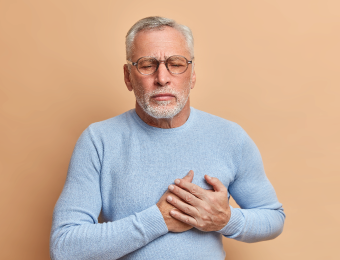
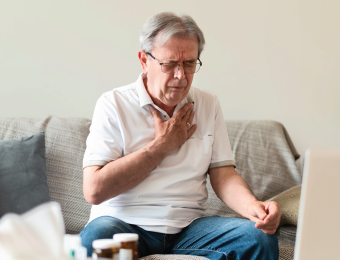
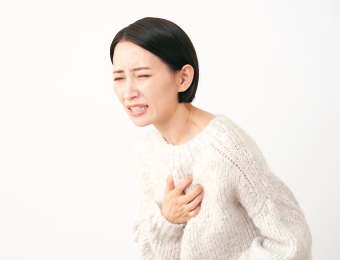
If you feel sudden sharp, stabbing pain that comes on out of nowhere and is not related to exertion or exercise, hurts when you move, and lasts around 1–2 weeks before going away, this type of symptom is often caused by moving in the wrong posture or at the wrong moment, or by stress. It may also be due to inflammation of the chest muscles from being stretched, pulled, or strained. Chest pain like this is usually not dangerous. If it happens frequently, taking medication can help it go away faster. But if the pain is located in the center of the chest,Tightness in the chestand it radiates to the jaw, back, left shoulder, left upper arm, or down to the upper abdomen (pit of the stomach) but not as far as the navel, and the symptoms are related to exertion or exercise, this is concerning.
because it can be a symptom of ischemic heart disease (reduced blood flow to the heart muscle). If these symptoms occur, you should see a doctor immediately or take the patient to the hospital urgently. The sooner medical care is received, the greater the chance of survival. Although exercise is very popular and helps strengthen the body, overexercising can also have negative consequences. It is recommended that anyone planning to exercise seriously consult a cardiologist for tests such as an electrocardiogram (EKG), an exercise stress test (EST), and an echocardiogram (cardiac ultrasound) to reduce the risk of death during exercise.
Request more information
Cardiovascular Disease Center, 4th Floor, Building C
Call 038-320300 ext. 4170-1
25 December 2023
Related packages
View all
Eye health check-up program
Blue light from screens and UV rays from sunlight may lead to vitreous degeneration, macular degeneration, cataracts, and glaucoma.
Lung cancer screening program using a CT scan
Long-term heavy smoking, chronic cough, PM2.5 dust increase the risk of lung cancer
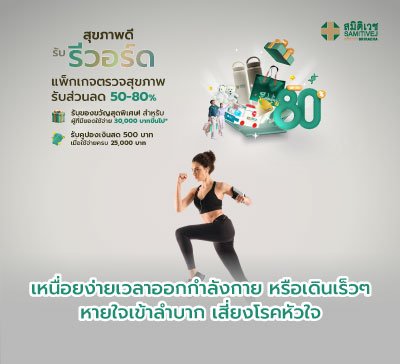
Cardiac stress test program (exercise stress test)
Easily fatigued during exercise or when walking fast, difficulty breathing in; at risk of heart disease