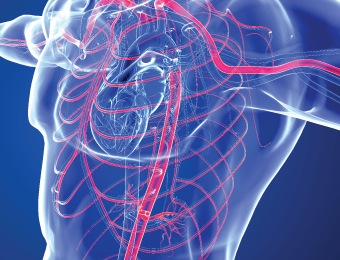
Are you at risk of a heart attack? 

Cardiovascular disease can be caused in part by high blood lipids. This may result from an abnormally high level of either cholesterol or triglycerides, or both. High blood lipid levels can cause arteries to harden, narrow, and become blocked in the future, which is a major risk factor for heart disease.
High blood lipids can be caused by many factors, such as
External factors
- Obesity or being overweight
- Lack of regular exercise
- Regular alcohol consumption or smoking
- Eat foods high in fat and cholesterol
Internal factors
- Genetics
- Thyroid disease, diabetes, kidney disease, or the use of certain medications
High blood lipids due to genetics
This is the most commonly found type. The main cause is abnormal gene formation or mutations in the LDL-R, ApoB, or PCSK-9 genes, leading to persistently high blood cholesterol levels. The accumulated LDL-C ("bad" fat) in the blood can adhere to the coronary arteries, causing coronary artery disease, acute heart attack, and ischemic stroke. It can also cause observable pathology: cholesterol deposits in tendons or joints and under the skin, forming raised lumps called xanthomas.
The cause of this abnormality is due to mutations, and there are 2 forms:
- Single-gene type (Heterozygous FH): inherited by receiving a high-cholesterol gene from either the father or the mother. Total cholesterol levels are often found at 350–500 mg/dL.
- Two-gene type (Homozygous FH): receiving high-cholesterol genes from both the father and the mother makes symptoms much more severe than the single-gene type. Total cholesterol levels are often found at 500–1,000 mg/dL, resulting in a very high risk of acute heart disease and death at a young age.
Symptoms of the disease
The most severe symptom is a heart attack leading to sudden death. However, the risk can be reduced with today’s lipid-lowering medications, greatly decreasing the incidence of heart attacks in people with this condition.
Examination and treatment
If there is suspicion of risk along with abnormally high blood cholesterol levels, and taking lipid-lowering medication still does not improve it, genetic testing can be done to assess the risk and whether it is inherited from the family before providing more targeted treatment. And if the medication is taken regularly, and lifestyle and diet are followed as recommended by the doctor, it can reduce the future risk of acute heart attack and ischemic stroke (narrowing/blockage of brain blood vessels).
Request more information
Cardiovascular Disease Center
4th Floor, Building C
Tel. 038-320300 ext. 4170-1
25 December 2023