7 things women need to know 

Although cervical cancer is the second most common cancer after breast cancer, it is the number one cause of cancer death among Thai women. This is because in the early stage or precancerous stage of cervical cancer, patients have no symptoms at all. In addition, Thai women may feel embarrassed, and by the time they come in for screening, the disease may have progressed to a stage that cannot be completely cured, ultimately leading to death. If we learn and understand, it can help protect young women and keep them far from cervical cancer.
1. Cervical cancer can occur in all women, both those who have had sexual intercourse and those who have not.
The cause of more than 90% of cervical cancer cases is infection with HPV (Human Papillomavirus). Most infections are transmitted through sexual contact; a smaller portion is transmitted through skin-to-skin contact. It is often found in the female external genital area, including the cervix, vagina, and genitals. Risk factors that increase a woman's chance of developing cervical cancer include having sex at a young age, frequently changing sexual partners, having many children, smoking, and having immune system problems such as autoimmune disease (SLE) or being infected with HIV.
2. Get vaccinated to build immunity against HPV
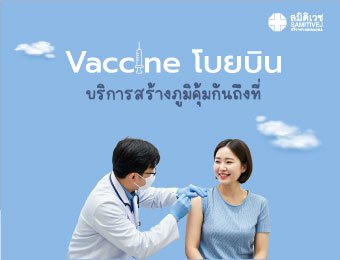
Before first sexual intercourse, vaccination can be given from ages 9–26, in a total of 3 doses. The vaccine can reduce the risk of cervical cancer by up to 70%. If you have already had sexual intercourse, you can still be vaccinated; however, in this case the vaccine is most effective only if you have not previously been infected with the HPV strains included in the vaccine.
3. You should undergo cervical cancer screening
Within 3 years after first sexual intercourse. For those who have never had sexual intercourse, screening may begin from age 30 and above. It can be done together with the annual health checkup, using a ThinPrep test along with HPV testing.
4. ThinPrep cervical cancer screening test
Provides more detailed results. It is a cytology test like the traditional standard Pap smear (Pap test). Currently, ThinPrep is commonly performed together with HPV testing, a highly accurate molecular biology technique that can detect abnormalities of cervical cells and cancer-causing HPV types early. Or, if the results are normal, the screening interval can be safely extended up to 2 years.
5. Abnormal cervical cells detected
If abnormalities in cervical cells are detected at the precancerous stage, they can be treated and cured completely.
6. Even after screening, there is still risk
Cervical cancer is a disease with a slow progression. It takes a long time to develop into cancer, but it can be cured if detected early. Therefore, cervical cancer screening should be done regularly as recommended by the attending physician.
7. Early-stage cervical cancer often has no symptoms.
However, if you have abnormal vaginal bleeding, unusually prolonged menstruation, or vaginal bleeding after menopause has permanently ended, you should see an obstetrician-gynecologist promptly for a definitive diagnosis. If the cancer has progressed further, it may spread to other organs, causing back pain, blood in the urine or stool, or acute kidney failure.
For more information
Women's Health Center
2nd floor, Building C
Tel. 038-320300 ext. 1298-9
31 July 2022

Dr. Yutthasin Lueampraphat
Expertise: Obstetrics and Gynecology, Gynecologic Oncology